Blog Assignment #1
Media Diary:
7:30 PM: I began tracking my media use by scrolling through TikTok and Instagram. A lot of my content contains cute animal videos and wellness/workout tips. There are a few short news clips that caught my interest, leading me down rabbit holes of learning random facts, but nothing too crazy was sticking out to me.
9:00 PM: Spent some time on the phone. Got back to scrolling after looking at some emails for my job. Enjoyed more memes and silly animal videos, which has me realizing how much of those I actually watch since that a majority of what the TikTok and Instagram algorithm are giving me. I came across a video of healthy tips regarding what foods you should be eating/make you bloated/that are good and not good for you. This one led me to go to another social media app called Lemon8 to see if other users were saying similar things. While there were a ton of posts on this, there were not a lot of posts incorporating scientific evidence to support the claims made.
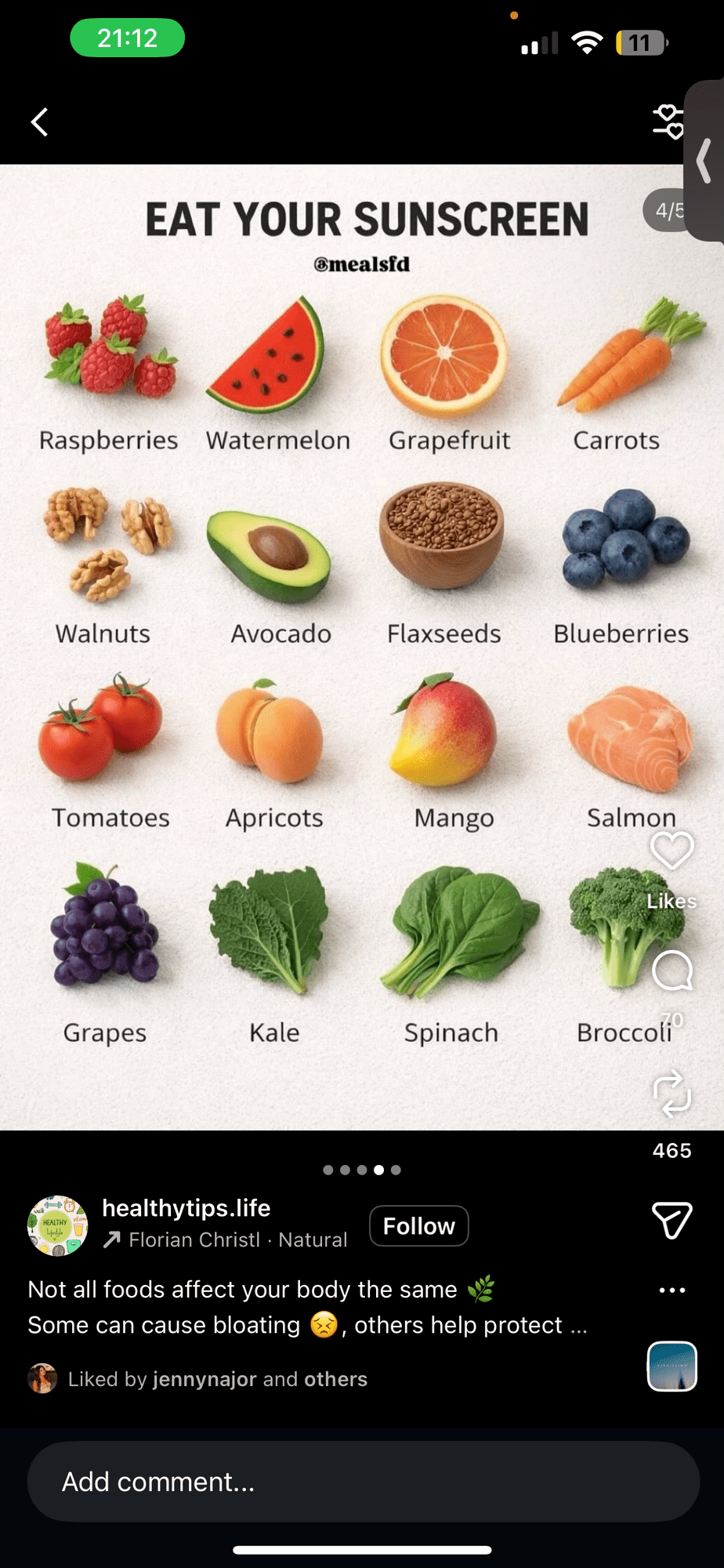
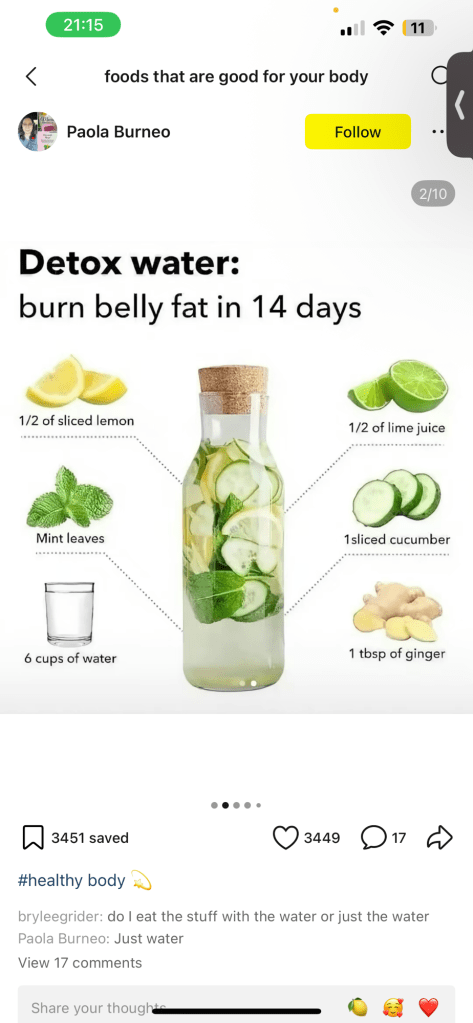
11:00 PM: Just got all ready for bed, now I spend my time texting people back and once again scrolling on Instagram, where I see a reel discussing how to decrease the cost of living, so I call my mom to see if she agrees, and she did.
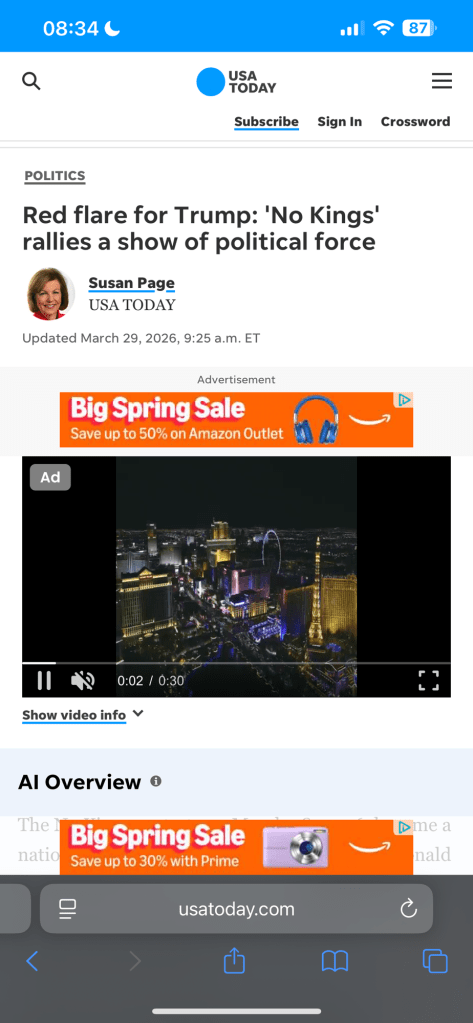
8:30 AM: I wake up, reach for my phone, and begin scrolling, and I check some emails. I am not subscribed to any type of newsletter, so instead I go on Google and see what’s going on in the world for today. I see on USA Today there is an article on the No Kings protest that was held on March 28, 2026. Since USA Today is generally considered a reliable news source, I am not too worried about this article being misleading and untruthful.
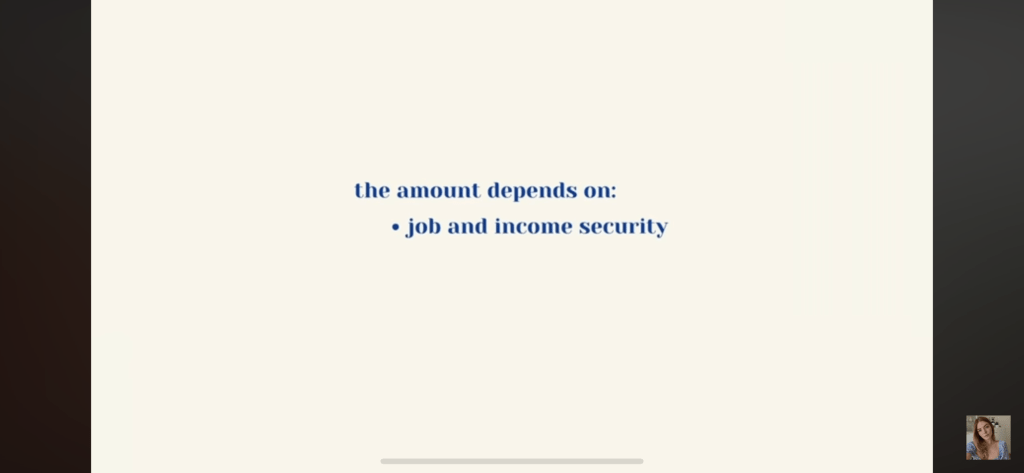
9:30 AM: As I start getting ready for the day, I check the weather and see it’s another interesting day in Arizona in March, with a high of 95… awesome. I watched a YouTube video on budgeting, mainly claiming that these tips could help. First, you should build an “emergency fund” as the first savings you should make. Seems pretty accurate, but could these tips actually be legit, or is this just someone who makes money off her YouTube videos?
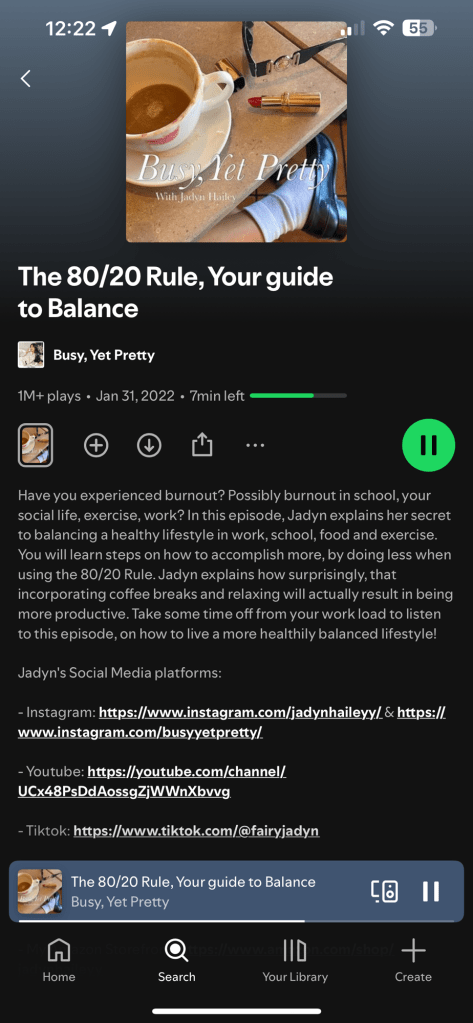
12:21 PM: I just got back from running errands, and while I sit and eat my Starbucks, I listen to a podcast on Spotify called “The 80/20 Rule, Your guide to Balance”. The podcast features this girl named Jadyn discussing how she balances food in her life and tips that might help others like me live a healthier lifestyle. The idea seems pretty credible and helpful for people. However, none of what she was saying was backed up by a lot of scientific evidence or research.
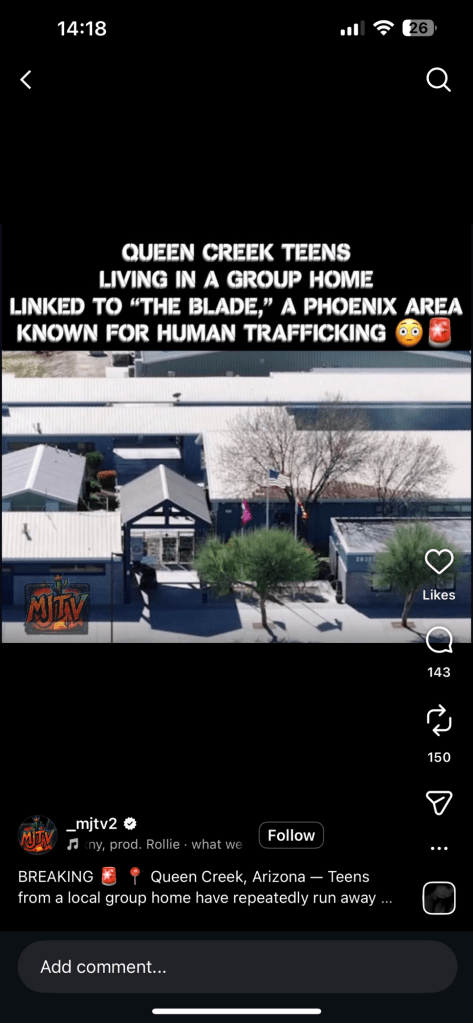
2:18 PM: At a sorority event with my roommate and before it starts, I spent some time scrolling on Instagram. Came across a reel discussing Queen Creek Teens living in a group home. The post does not seem to be accurate, as I have never seen the source _mjtv2 before.
4:52 PM: Got home from my sorority event. I filled out some documents for my new job, which I am starting, and I scrolled a little bit on my phone. Nothing crazy stuck out to me as misinformation or misleading, just my usual videos I tend to see.
7:00 PM: Finish up some homework for the day, FaceTime some friends and start watching a new show on Hulu called Love Overboard.
Fact Checking and My Personal Reflection
Even though I tend to not see a lot of political content on the social media platforms I use. I still came across information that was questionable, and I would even say a majority of the stuff on social media, no matter the topic, can be seen as questionable. The last reel I posted, dealing with the Queen Creek teens, I researched the source and found that they have a high risk of misinformation throughout their page. They are more seen as a commentator page rather than a trusted news outlet for topics like personal issues and music scenes.
I also realized through this activity that a lot of the choices I make with my own life I do because of what I see on social media, and maybe believing that if I follow the pretty girl’s tip on her Instagram, I will look like her. This in itself is almost misleading and can be seen as misinformation. I am sure there are other users of social media believing that as well, that if they copy someone’s life routine, eating, working out, and outfit habits, they might be like them.
I think that instead of believing everything I see on social media, I should be taking the time to look at real facts and insights on how to better my life or be healthier, instead of just trusting what influencers online are doing. A lot of the wellness tips online are simply just trends, not actual things doctors or health professionals would suggest.
This also goes for the small amount of political content I see online. I am very quick to just assume and believe a lot of what I see online. This even leads me to going and showing my roommates what I am seeing, just continuing the spread of misinformation. I enjoy credible sources like The New York Times and ABC News, so this assignment has really shown me to maybe get off social media because it truly is sometimes just a false reality, and we should be looking at real, authentic information, whether that be political or a wellness tip for bettering yourself.
 Ava Rene Papadakos explores “Misinformation & Society”
Leave a comment